Card skimmers stole benefits from households in nearly every state over the last few years. The theft usually surfaced at a declined checkout, weeks after the criminals had already moved on. The states answered with a set of free security features most households have never switched on.
The direct answer: many state EBT apps now offer card locks, transaction alerts, and location blocks. A locked card cannot be skimmed, and an alerted card reports every swipe to your phone.
This guide covers the features, where to find them, and the habits that make them matter.
Quick Answer
- Card lock blocks all spending instantly; deposits still arrive
- Transaction alerts ping your phone on every purchase
- Out-of-state and online blocks stop theft that never touches your wallet
- All of it is free through your state's official EBT app or site
Table of Contents
- 1The Features Your State's App Carries
- 2Locking as a Habit, Not an Emergency Move
- 3What Alerts Catch That Locks Cannot
- 4Building the Weekly Two-Minute Review
- 5If Theft Happens Anyway
- 6How Skimming Actually Steals, and What Stops It
- 7Setting It All Up in One Sitting
- 8What States Are Adding Next
- 9Related SNAP Guides
- 10Frequently Asked Questions
The Features Your State's App Carries
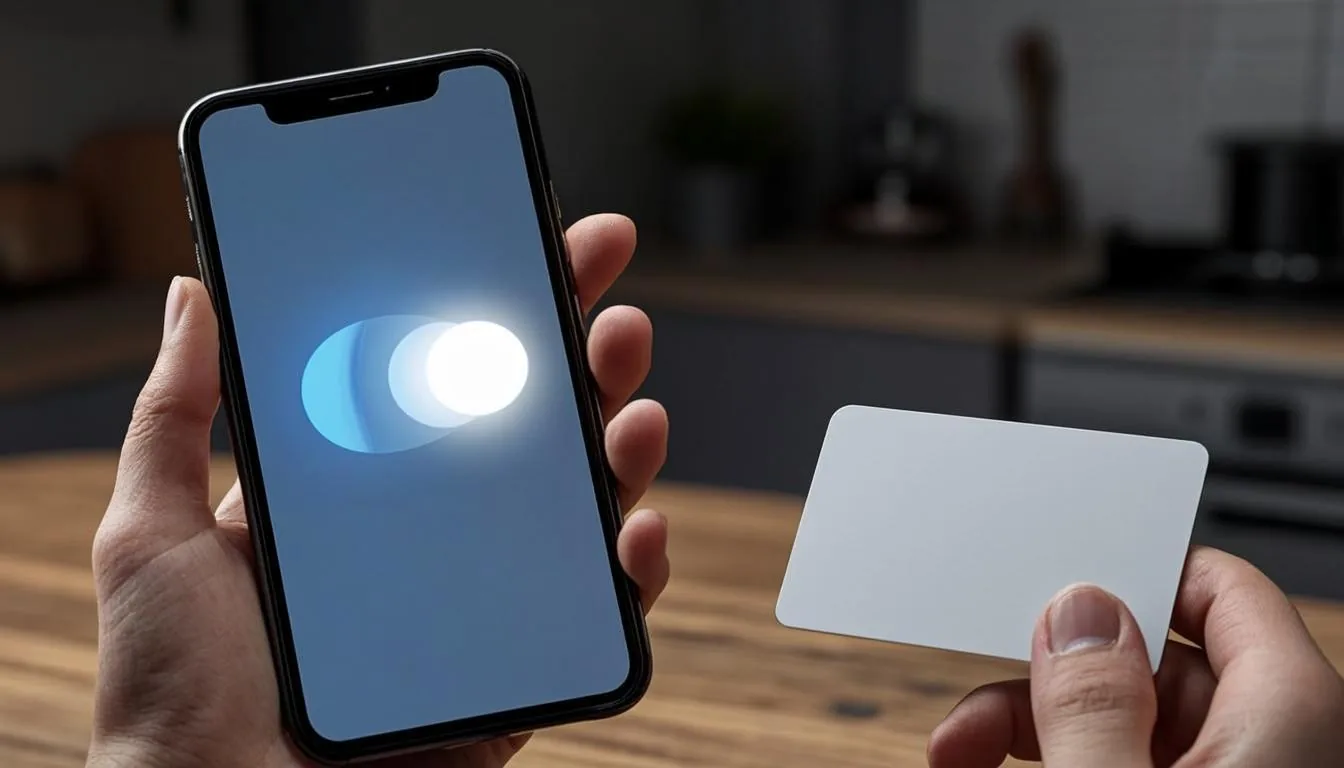
The official EBT apps have grown security features rapidly since the skimming waves hit the program. The card lock toggle sits at the top of most apps, blocking purchases and ATM use.
Finding your state's app starts with the state agency's own page rather than an app store. Fake apps mimic real ones convincingly, and the copies harvest exactly what you are protecting. The USDA state directory routes to the legitimate source, and the real app appears linked there.
Transaction alerts ride right alongside the lock, and they cost nothing to enable or maintain. Every authorization sends a notification with the merchant, the amount, and the time of the swipe. Households describe it as a receipt arriving before you leave the counter, which skimmers hate.
Location and channel blocks add a third layer of protection wherever the states offer them. Blocking out-of-state transactions stops thieves testing cloned cards far from home, and blocking online use protects local shoppers. The USDA EBT page links each state's official app and portal for every feature described.
| Feature | What It Does | Best Habit |
|---|---|---|
| Card lock | Blocks all spending instantly | Lock whenever not shopping |
| Transaction alerts | Notifies on every authorization | Enable once, never disable |
| Out-of-state block | Stops far-away cloned-card use | On unless traveling |
| Online block | Stops internet fraud attempts | On unless you shop online |
| PIN change | Invalidates skimmed PINs | Monthly, plus after any oddity |
Locking as a Habit, Not an Emergency Move
Households that treat the lock as an emergency tool lose most of its protective value. Skimming harvests data silently during the unlocked stretches, which is exactly when emergency thinking leaves cards open. The best practice inverts the model: lock by default, unlock at the store door, re-lock at the car.
The routine costs two taps per shopping trip, and the exposure math behind it is stark. Cards left unlocked in a wallet for weeks are exposed for weeks; cards unlocked briefly are exposed briefly. Skimming requires the card data and the PIN together, and a locked card feeds neither.
Overnight locking matters most especially on deposit days, when the balances are at their fattest. Benefits landing at midnight onto an unlocked card are exactly what thieves program clones to drain. A locked card turns that heist into a declined transaction and an alert on your phone.
What Alerts Catch That Locks Cannot
Locks prevent unauthorized spending, while alerts reveal everything, including the small test charges thieves run first. A one-dollar charge at a distant gas station, arriving as a notification, is a cloned card being validated. Caught at that moment, the card gets locked and replaced before the real drain begins.
Alerts also catch the friendly fraud and honest mistakes that happen inside the household itself. A member spending without telling the cook, a double-swipe, or a merchant error all surface instantly.
Enable alerts for every adult who uses the card, wherever the app allows multiple registrations. The goal is a phone buzzing on every authorization, wherever it happens and whoever holds the card. Our balance check guide covers all the other monitoring routes when app notifications are unavailable.
Building the Weekly Two-Minute Review
Protection compounds when a small weekly routine gets layered on top of the technology itself. Once weekly, open the app and scroll the transaction list, matching each line to a receipt. Two minutes on Sunday catches everything the alerts might have missed, from double charges to errors.
Pair the review with the balance check, because drifting balances reveal pending fraud before alerts do. A balance lower than remembered spending warrants a call to the card number the same day.
Calendar the review right next to another weekly habit, like trash night or Sunday dinner.
If Theft Happens Anyway
Speed defines the outcome after real fraud, and the sequence matters as much as the speed. Lock the card first, call the number on the back second, and request replacement third. Stolen benefits from skimming are replaceable under federal rules when reported promptly through that sequence.
The replacement process is documented in our card security guide and the stolen card guide. Both walk the claim forms, the timelines, and the follow-ups that keep a case moving forward.
The report starts with facts the alerts already captured: dates, amounts, and merchants of unknown charges. Screenshots of the notifications become the evidence file, organized before the phone call even starts. Households with alerts enabled file claims with better documentation than other victims, which speeds approval.
Keep shopping while the claim processes, because the household still needs to eat every day. Replacement benefits load to the new card, and the monthly issuances continue on schedule throughout. The USDA skimming page confirms the federal replacement rights that stand behind the state process.
The PIN habit that finishes the wall
A locked card with a stolen PIN is safe until unlocked, so change the PIN monthly and after every oddity. The customer service line changes it in minutes, and a fresh PIN invalidates anything a skimmer harvested.
How Skimming Actually Steals, and What Stops It
Understanding the theft explains why each feature works, and the mechanism turns out to be simple. Skimmers plant a device over a card reader that copies the stripe, while a camera captures the PIN. The pair, stripe plus PIN, lets thieves print a working clone within hours of the swipe.
The clone drains the balance wherever it is used, which is why charges appear states away. Nothing about the theft touches your actual card; the wallet never feels a thing at all. That invisibility is exactly why the alerts and the locks change the whole equation here.
A locked card cannot be cloned usefully, because the copied stripe data fails at authorization.
A changed PIN invalidates half of what the skimmer harvested, because the stripe alone cannot spend. The USDA skimming guidance describes that whole pattern and the federal response in careful detail.
Phishing completes the thief's toolkit alongside the hardware, and it targets the exact same combination. Texts claiming suspended benefits, fake apps, and calls requesting the PIN all harvest without any device. Real agencies never ask for a full PIN, and our security practices guide lists the signs.
Setting It All Up in One Sitting
Ten minutes covers the full setup from a single sitting, and the order hardly matters. Download the official app, register the card, enable notifications, set the blocks, change the PIN, and lock.
Households without smartphones run the same protections through the web portal and the phone line.
Our EBT card guide covers all the non-app routes in detail, including the phone menus.
Teach every single card user in the household the same routine, and teach it early.
A family that shares the lock rhythm and the alert stream closes the gaps scammers exploit. The five-minute session covers the toggle, the notifications, and the rule that nobody ever needs your PIN.
What States Are Adding Next
The feature set keeps expanding because federal policy pushed it, and the direction holds steady. States receiving federal skimming-protection guidance have rolled out locks in waves, and alerting follows platforms. A state without locks today may carry them by the next update, so re-check quarterly.
Pilot programs in several states have tested category blocks and velocity limits from the retail world. Beneficiary feedback drives the roadmap, and state agencies read the complaint lines closely during waves. Households that report attempted fraud shape which features ship next, which makes reporting worth the call.
The direction is unmistakable: benefit cards are gaining the protections debit cards have carried for years. Households that adopt each feature as it arrives stay ahead of the theft patterns floating around. The households that wait assume a risk the tools have already retired for everyone else.
Related SNAP Guides
- EBT card stolen — the immediate response steps
- EBT customer service numbers — the fastest way to flag fraud
- Card security best practices — the full protection checklist
- Checking your balance — monitoring without an app
- EBT card guide — card basics and management
Frequently Asked Questions
Can I lock my EBT card?
Yes, in many states through the official EBT app or website, with more adding it regularly. The lock blocks all spending instantly, while deposits continue arriving on schedule regardless of status.
How do transaction alerts work?
Enable notifications in the app, and every authorization sends a push or text with the details. The stream includes merchant, amount, and time, and it turns fraud into a same-minute discovery.
When should I lock my card?
Whenever it is not sitting in your hand about to pay for something at a register. Lock between trips, overnight, and on deposit days especially, unlocking right at the store door.
Does locking the card block my deposits?
No, because the lock governs spending only, and the deposits are a separate system entirely. Monthly benefits land on schedule regardless of lock status, which surprises many first-time lock users.
What if my state has no lock feature yet?
Use whatever exists: monthly PIN changes, the weekly transaction reviews, and keypad shielding at checkouts. The customer service line makes those PIN changes fast and free, without any app required.
Are the alerts free?
Yes, entirely, because the apps and notifications are government services paid for with public funds. Locks, alerts, and fraud replacement cost the household nothing at any point in the process.
Does locking my EBT card protect me from skimming?
Card locks stop new transactions, so a cloned card copied by a skimmer fails at the register while the lock stays on. Locking does not erase data already stolen, and it cannot undo a purchase made before you locked. Use the lock any time the card sits in a drawer, and check the balance after every gas station or ATM stop. States add skimming protections every year, so ask what yours offers.
Can I still use EBT online while my card is locked?
Online purchases run through the same card network as store registers, so a locked card declines online too. Plan around the lock: unlock, place the order, and lock again right after the confirmation screen. A few state apps time out the unlock automatically after a set window, which keeps a forgotten open lock from turning into risk. The lock costs nothing and takes seconds, so the habit is worth building.