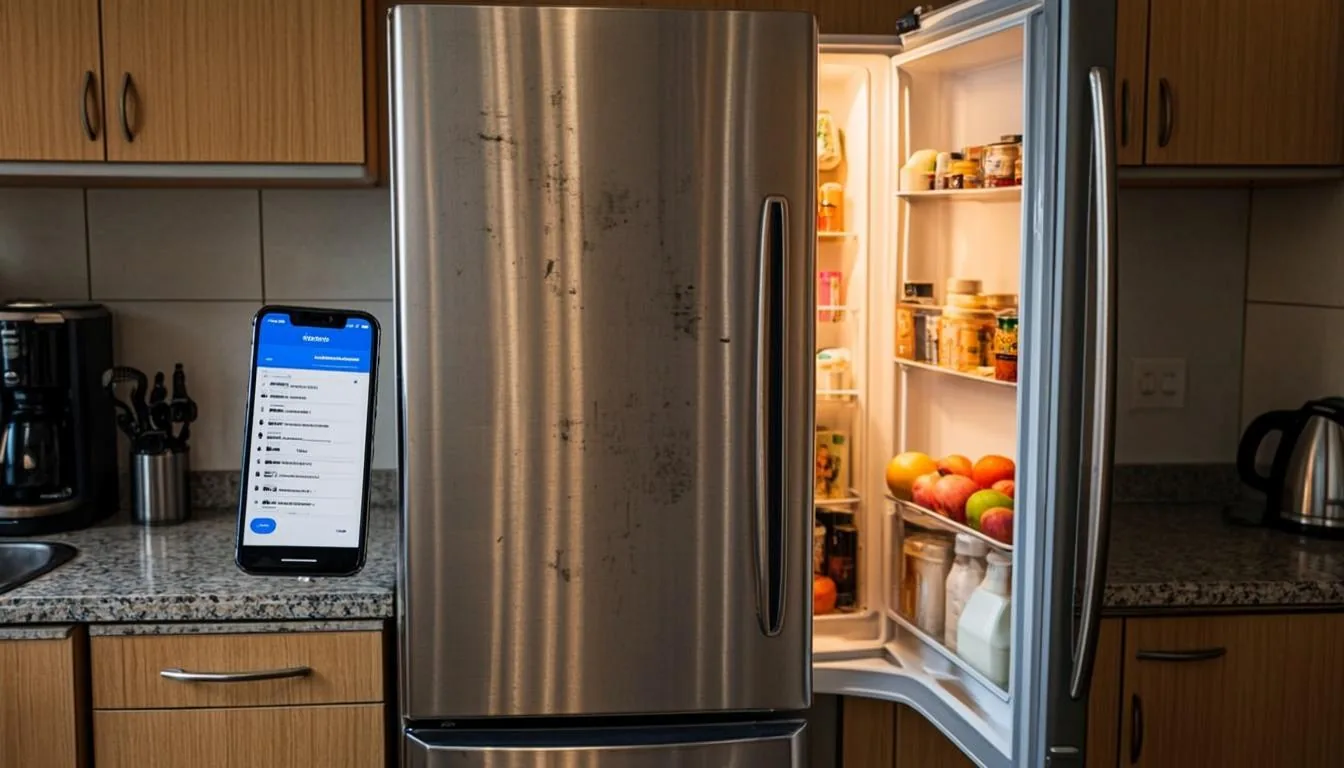
Storms knock out power for days. Refrigerators break. Pipes freeze and flood kitchens. House fires destroy pantries in minutes. When any of these things happen to a household receiving SNAP, the loss of food bought with SNAP benefits can be a real blow, on top of everything else the household is dealing with. The SNAP program has a specific mechanism to help in these situations, and most recipients do not know it exists.
The mechanism is called the SNAP replacement affidavit, and it lets you ask the SNAP office to replace the value of food you lost in a household misfortune. The rule is in federal SNAP regulations at 7 CFR 274.6, and every state SNAP office is required to honor it. You do not have to reapply for SNAP, you do not have to prove you are still eligible, and you do not have to wait until your next recertification. The replacement is a separate process that runs alongside your regular SNAP case.
This guide walks through what the replacement affidavit is, which situations qualify, the 10-day rule that catches most people out, how much you can get back, how to file the form, what to expect after you submit it, and what to do if your request is denied. If you recently lost food in a power outage, storm, or other household event, the most important thing to know is that the clock starts on the day of the loss; you have 10 days from that date to file the affidavit, and missing the window usually means losing the replacement. This is separate from D-SNAP disaster benefits, which apply to declared disasters, not individual household events.
Table of Contents
- 1What the SNAP Replacement Affidavit Does
- 2Which Situations Qualify for Replacement
- 3The 10-Day Rule: Why You Need to Act Fast
- 4How Much You Can Get Back
- 5How to File the Replacement Affidavit
- 6What Happens After You Submit
- 7If Your Request Is Denied
- 8What If You Lost EBT Card Funds to Theft or Skimming
- 9Storm Prep: Keep Records So Replacement Is Easier
What the SNAP Replacement Affidavit Does
The SNAP replacement affidavit is a signed statement that says you lost food bought with SNAP benefits, the value of the food you lost, and the cause of the loss. The SNAP office uses the affidavit to issue a replacement benefit, which is loaded onto your EBT card as a separate transaction from your regular monthly benefit. The replacement does not count against your monthly allotment, and it does not affect your eligibility for future months.
The affidavit is sometimes called a "Request for Replacement of Food Destroyed in a Disaster" or "Form 2265" depending on your state. Despite the word "disaster" in some versions, the form is for individual household losses, not declared disasters. A power outage that affects only your house qualifies. So does a refrigerator breakdown, a house fire, a flood from a broken pipe, or any other event that destroys food you bought with SNAP.
The replacement is based on the value of the food you actually lost, up to the amount of SNAP benefits you received in the month the loss occurred. You cannot get back more than you received in SNAP that month, and you cannot get back more than the value of the food. If you lost $80 worth of food and your monthly SNAP benefit is $292, you can get $80 back. If you lost $400 worth of food and your monthly SNAP benefit is $292, you can only get $292 back.
Which Situations Qualify for Replacement
The SNAP regulations use the phrase "household misfortune" to describe what qualifies. The categories are broad, but they all involve an event that destroyed food you bought with SNAP. Common qualifying situations include:
- Power outages that lasted 4 hours or longer, especially during hot weather when refrigerators and freezers cannot maintain safe temperatures.
- Refrigerator or freezer breakdowns that allowed food to spoil, even if the breakdown was not your fault.
- House fires, including small kitchen fires that damaged only food and not the structure.
- Flooding from broken pipes, overflowing appliances, sewer backups, or storm water that entered your home.
- Theft of food from your home, though theft of EBT card funds through skimming is handled under a different process.
- Other misfortunes that the SNAP office determines destroyed your food, including pest infestations in some cases.
What does not qualify is food you simply did not eat before it went bad. If you bought perishable food and forgot about it, that is not a household misfortune. The SNAP office may ask for an explanation of what happened, and they have discretion to deny requests that do not describe an actual event.
For larger disasters, like hurricanes or wildfires that affect many households at once, the state may activate D-SNAP, which is a separate program with different eligibility rules. D-SNAP covers people who are not normally on SNAP, while the replacement affidavit is only for current SNAP recipients who lost food in an individual household event. If your area has been declared a federal disaster area, you may be eligible for both; check with your local SNAP office.
The 10-Day Rule: Why You Need to Act Fast
Federal SNAP regulations give you 10 days from the date of the loss to file the replacement affidavit. This is the strictest part of the rule, and it catches the most people. If your power went out on a Sunday and you file the affidavit 12 days later, the SNAP office can deny the request even if you have proof of the loss and the value of the food.
The 10-day clock starts on the date of the event, not the date you discovered the loss. For a power outage, that means the day the power went out. For a fire, the day of the fire. For a fridge breakdown, the day you noticed the food was spoiled, which is usually also the day the fridge stopped working.

Some states allow a 30-day window in limited situations, but you should never rely on the longer window without checking first. File within 10 days to be safe. If you cannot get all your documentation together in 10 days, file the affidavit with what you have and tell the SNAP office you will send the rest later. Filing the form on time, even incomplete, protects your right to the replacement.
If you missed the 10-day deadline, contact your SNAP office anyway. Some states accept late filings with good cause, such as a documented illness that prevented you from filing. The standards are strict, but the worst the SNAP office can do is say no. If they deny the late request, you can request a fair hearing to challenge the denial.
How Much You Can Get Back
The replacement amount is based on the actual value of the food you lost, up to a cap. The cap is the amount of SNAP benefits you received in the month the loss occurred. If you received $292 in SNAP that month, the most you can get back is $292, even if you lost $500 worth of food. The cap exists because SNAP only replaces benefits it actually issued to you.
You do not need receipts for every item. The SNAP office accepts a reasonable estimate of the value of the food. The most accurate way to estimate is to make a list of everything you lost, with the approximate cost of each item based on what you paid at the store. If you have a recent grocery receipt from the same month, that helps support your estimate. If you do not have a receipt, you can use online grocery prices from your usual store.
Here is an example. A household loses power for 36 hours during a summer heat wave. Their refrigerator and freezer both lose their contents. They had bought $135 worth of groceries three days earlier with their SNAP benefits, including meat, dairy, frozen vegetables, and prepared meals. They file the replacement affidavit on day 5, listing each item and its cost. The SNAP office approves the request and loads $135 onto their EBT card within 2 weeks.

The replacement amount is loaded as a separate transaction. It does not replace your next month's benefit, and it does not reduce your next month's allotment. It is genuinely additional money to replace what was lost.
Replacement benefits put back what was lost — they never raise your monthly amount. If the regular allotment keeps coming up short, the income math may have changed since you applied. The Iowa SNAP calculator and the Tennessee SNAP calculator rerun eligibility with 2026 numbers in about a minute.
How to File the Replacement Affidavit
Filing the replacement affidavit involves a few simple steps. The exact form name varies by state, but the process is the same nationwide:
- Get the form. Most states have the form on their SNAP website. You can also pick up a paper copy at your local SNAP office, or call the customer service number on the back of your EBT card and ask them to mail one. Some states accept a signed letter instead of the official form, as long as the letter includes all required information.
- Fill out the form. You need your name, address, case number, the date of the loss, a description of what happened, and a list of the food you lost with the value of each item. The form ends with a signed statement that the information is true; this is the "affidavit" part, and it means you are legally attesting to the truth of what you wrote.
- Submit the form within 10 days. You can submit it by mail, fax, in person at the SNAP office, or online through your state's SNAP portal. If you mail it, send it certified with a return receipt so you have proof of the date. If you submit online, save the confirmation number.
- Keep a copy. Make a copy of the completed form and any documentation before you submit it. If the SNAP office loses your form, you can resubmit. Also check your EBT balance regularly after submission so you know when the replacement arrives.
You can include supporting documents with the form, but you do not have to. Useful supporting documents include a photo of the spoiled food, a utility shut-off notice, a fire department report, a police report for theft, or a letter from your landlord. The SNAP office may request additional documentation if your situation is unusual.
What Happens After You Submit
Federal SNAP regulations require the state to process replacement requests within 10 days of receiving the affidavit. If the SNAP office approves the request, the replacement benefit is loaded onto your EBT card, usually within those 10 days. You will not receive a separate notice of approval in most states; the money just shows up on your card.
If the SNAP office needs more information, they will contact you within the 10-day window. Respond promptly; if you do not respond, the request can be denied. If the SNAP office denies the request, they have to send you a written notice explaining the reason for the denial and your right to appeal.
If you have not heard anything after 10 days, call your local SNAP office. Have your case number and the date you submitted the affidavit ready. The SNAP office can tell you the status of the request and whether anything else is needed. If they cannot locate the form, having your copy and proof of submission makes it much easier to resubmit.
If your state has been hit by a widespread disaster like a hurricane or major flood, processing times may be longer than 10 days due to volume. The SNAP office will usually issue a public notice explaining the extended timeline. Be patient, but follow up if you have not heard anything within 30 days.
If Your Request Is Denied
SNAP offices deny replacement requests for a few common reasons. The most frequent is missing the 10-day deadline. The second most frequent is insufficient description of the loss; the form was submitted but did not include enough detail about what happened or what food was lost. The third is exceeding the monthly benefit cap; the requested amount was higher than the SNAP benefits issued that month.
If your request is denied, you can request a fair hearing. The denial notice will explain how to request a hearing, and you typically have 90 days from the date of the notice to do so. At the hearing, you can present additional evidence, explain why your request should have been approved, and question the SNAP office's reasoning. Many denied replacement requests are reversed at hearing when the recipient brings clear documentation.
Before requesting a hearing, call your SNAP caseworker. Sometimes denials are based on a simple misunderstanding that can be cleared up with a phone call and an additional document. If the caseworker cannot help, or if the denial is clearly wrong, request the hearing. The fair hearing process is the same one used for any other SNAP decision; you can appeal any SNAP denial through the same system.
What If You Lost EBT Card Funds to Theft or Skimming
Lost food from a power outage is different from stolen EBT card funds from skimming or cloning. If your EBT card was physically stolen, or if someone copied the magnetic stripe and made purchases without your permission, that is a separate process. You file a claim for stolen benefits, not a replacement affidavit, and the rules are different.
The federal government changed the rules in late 2024 to allow replacement of stolen EBT benefits, but the process is more involved than the food replacement affidavit. You have to file a police report in most states, and the SNAP office investigates the claim. Replacement of stolen benefits is capped at two incidents per federal fiscal year, and the theft must have occurred on or after October 1, 2022. Read the full guide to stolen EBT cards for the steps to take.
If both things happened to you, food was destroyed in a power outage and your EBT card was also stolen, you can file both a replacement affidavit and a stolen benefits claim. They are separate processes with separate forms and separate timelines.
Storm Prep: Keep Records So Replacement Is Easier
If you live in an area prone to storms, power outages, or other events that could destroy food, a small amount of preparation can make filing a replacement affidavit much easier. Take a photo of the inside of your refrigerator and freezer every few weeks, especially during storm season. Keep your grocery receipts in a single envelope or take a photo of each one as you unpack. These two habits make it almost trivial to file an accurate replacement affidavit if you ever need to.
The SNAP program does not require receipts for replacement, but having them dramatically speeds up the process and reduces the chance of denial. SNAP caseworkers can verify the value of the lost food quickly when you have receipts, and they are less likely to push back on the amount you claim. A receipt from the same month as the loss is the strongest possible evidence.
Also know your state's EBT customer service number ahead of time. If your EBT card is also lost in the event, you can report it immediately and request a replacement card. The sooner you report a lost or stolen card, the less likely it is that someone else can use your benefits. Combine that with a replacement affidavit for the destroyed food, and you can recover most of the value of what you lost within a few weeks.
SNAP replacement is one of the most underused benefits in the program. Households lose millions of dollars in food every year to power outages and storms, and a large share of those losses could be replaced if more people knew the affidavit existed. The 10-day window is the catch, so if you ever lose food in a household event, file the form the same day. The worst the SNAP office can do is say no, and the best case is that you get the full value of your lost food back within two weeks.