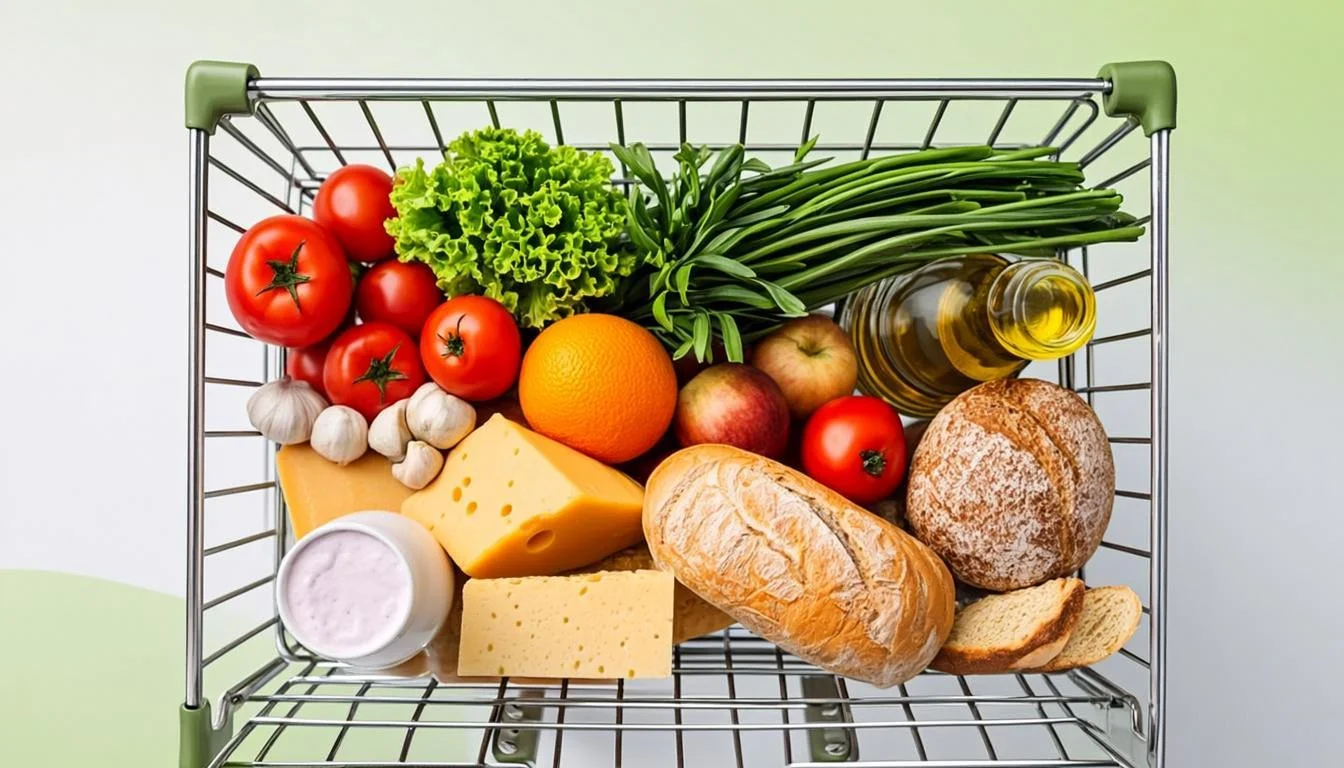
If you just got your EBT card in the mail, you are not alone in wondering what you can actually buy with it. In my six years running a county SNAP outreach desk, the single most common question I heard from new recipients was some version of: "Can I buy [X] with this?" The card looks like a debit card, it works at the grocery store like a debit card, and the cashier treats it like a debit card — so it is easy to assume it works everywhere and on everything. It does not. SNAP has a specific, federal definition of what counts as food, and the line between eligible and not-eligible is not always intuitive. This guide is the list I wish I could have handed every family who walked into my office.
The rules below come from the Food and Nutrition Act of 2008, the USDA Food and Nutrition Service (FNS) retailer guidelines, and the SNAP Statue and Regulations (7 CFR 271-275). They apply in all 50 states, the District of Columbia, Guam, the U.S. Virgin Islands, and Puerto Rico. There is no meaningful state-by-state variation in what food is eligible — what changes is which programs (Restaurant Meals Program, online purchasing) are available where.
Table of Contents
- 1The Federal Definition: "Staple Foods" and "Eligible Foods"
- 2What You CAN Buy With EBT — The Complete Eligible List
- 3Meat, Poultry, and Fish
- 4Dairy Products
- 5Breads, Cereals, Rice, and Pasta
- 6Snack Foods and Sweets
- 7Non-Alcoholic Beverages
- 8Seeds and Plants That Produce Food
- 9What You CANNOT Buy With EBT — The Prohibited List
- 10The Restaurant Meals Program — The One Big Exception
- 11SNAP Online Purchasing — Using EBT on Amazon, Walmart, and Instacart
- 12Edge Cases: The Items People Always Ask About
- 13The Mistakes I See New Cardholders Make Most Often
- 14Practical Tips for Maximizing Your SNAP Benefits at the Store
- 15Frequently Asked Questions
- 16Can you buy hot food with EBT?
- 17Can you buy energy drinks with EBT?
- 18Can you buy birthday cakes with EBT?
- 19Can you buy seeds and plants with EBT?
- 20Can you buy pet food with EBT?
- 21Can you buy vitamins and supplements with EBT?
- 22Can you use EBT for online grocery shopping?
- 23Can you buy live animals for food with EBT?
The Federal Definition: "Staple Foods" and "Eligible Foods"
USDA classifies a SNAP-eligible food as any food or food product intended for human consumption, except for a short list of explicitly excluded categories (alcohol, tobacco, hot prepared foods, supplements, and non-food items). The key phrase in the regulation is "intended for home preparation and consumption." If a food item is meant to be eaten at home — even if you could also eat it in the parking lot — it is generally eligible. If it is meant to be eaten hot, on the spot, at the retailer, it is generally not.
The "staple food" category matters because SNAP-authorized retailers must stock a certain number of varieties in each of four staple categories: dairy; meat, poultry, and fish; breads and cereals; and fruits and vegetables. Those four categories are the backbone of the program, and almost everything in them is eligible. The gray areas — energy drinks, gift baskets, birthday cakes, live shellfish — are where most confusion lives.
What You CAN Buy With EBT — The Complete Eligible List
Below is the full list of categories and items you can buy with SNAP. If an item is in one of these categories, it is eligible unless specifically excluded in the next section.
Fresh, frozen, canned, and dried fruits and vegetables are all eligible. This includes bagged salads, pre-cut vegetable trays, fresh herbs, jarred pasta sauce (as long as it does not contain alcohol), fruit cups, frozen stir-fry mixes, and the produce on farmers market tables. Canned vegetables with added seasonings are fine. Frozen vegetables with butter sauces are fine. You can also buy 100 percent fruit juice and 100 percent vegetable juice — but juice blends that are less than 100 percent juice, or that have added vitamins labeled as supplements, may not be. When in doubt, look at the label: if it says "Juice" or "100% Juice," it is eligible. If it says "Juice Drink," "Cocktail," or "Beverage," check the Nutrition Facts label first.
Meat, Poultry, and Fish
All raw and uncooked meats are eligible: chicken parts, whole turkeys, ground beef, steaks, pork chops, bacon, hot dogs, sausages, deli meats sliced at the counter, vacuum-sealed deli meats, canned tuna, canned salmon, canned chicken, fresh fish, frozen shrimp, crab legs (raw), and lunch meat platters from the deli section that are sold cold. Frozen meatballs, frozen breaded chicken nuggets, and frozen pre-formed hamburger patties are all eligible. The hot-food rule (explained below) is the only thing that disqualifies a meat product, and it applies only when the item is sold hot at the point of sale.
Dairy Products
Milk (any fat percentage, any flavor, including lactose-free), cheese (block, shredded, sliced, string), yogurt, sour cream, butter, cream cheese, heavy cream, half-and-half, eggs, egg substitutes, and refrigerated nondairy milks (soy, almond, oat) are all eligible. The nondairy milks must be labeled as a food product (Nutrition Facts label), not as a supplement. Refrigerated pudding cups and yogurt tubes for kids' lunches are fine. Infant formula is eligible and is treated as food, not as a supplement, even though it is highly regulated.
Breads, Cereals, Rice, and Pasta
Every kind of bread (white, wheat, sourdough, bagels, tortillas, pita, naan, English muffins, hamburger buns), every kind of dry pasta (spaghetti, macaroni, ramen without the hot preparation), rice (white, brown, jasmine, basmati, arborio), grains (quinoa, barley, oats, grits, couscous), cold cereal, hot cereal, pancake mix, biscuit mix, cake mix, brownie mix, cookie mix, pie crust, phyllo dough, pizza dough (raw), stuffing mix, croutons, crackers, pretzels, popcorn, granola bars, cereal bars, and toaster pastries are all eligible. The only common exclusion in this category is items labeled as supplements, which is rare for grain products.
Snack Foods and Sweets
One of the biggest misconceptions I run into is the idea that SNAP cannot be used for junk food. It can. Chips, candy bars, cookies, cake, brownies, ice cream, popsicles, soda, sports drinks, snack cakes, donuts, pastries, chocolate, gummy candy, marshmallows, frosting, and snack-size packs are all eligible. The 2018 farm bill proposal to restrict sugar-sweetened beverages from SNAP did not become law. States are not allowed to add their own restrictions on top of the federal list. If you have heard that SNAP cannot be used for soda or chips, that is a political argument, not the current rule.
Non-Alcoholic Beverages
Soda, juice (100 percent), juice drinks, sports drinks, bottled water, sparkling water, coffee (whole bean, ground, instant, K-cups), tea (bags, loose, bottled, instant), lemonade, iced tea, hot chocolate mix, and protein shakes (with a Nutrition Facts label, not a Supplement Facts label) are all eligible. Kombucha is eligible as long as the alcohol content is below 0.5 percent. Energy drinks are a gray area — see the FAQ section for the rule.
Seeds and Plants That Produce Food
This is the most underused benefit in the entire SNAP program. You can buy any seeds or plants that produce food for the household to eat, including tomato starts, pepper plants, herb seeds, lettuce seeds, strawberry plants, fruit trees, berry bushes, and seed potatoes. USDA estimates that every dollar spent on garden seeds produces about $25 worth of food. Most grocery stores do not have a garden section, but farmers markets, hardware stores, and big-box stores like Walmart and Home Depot do — and most of them are SNAP-authorized. If you have never used your benefits for seeds, this is the year to try.
What You CANNOT Buy With EBT — The Prohibited List
The prohibited list is shorter, and most of it is common sense. But there are three categories — hot food, vitamins, and household items — where new cardholders are routinely surprised at the register.
| Category | Examples | Why |
|---|---|---|
| Alcohol | Beer, wine, liquor, spirits, cooking wine, extracts with alcohol | Federal prohibition since 1971 |
| Tobacco and nicotine | Cigarettes, cigars, chewing tobacco, vape liquid, nicotine gum/patches | Federal prohibition; nicotine products are not food |
| Hot prepared foods | Rotisserie chicken, hot deli soup, hot pizza, hot bar items, hot sandwiches | The "hot food rule" — see below |
| Food eaten in-store | A sandwich eaten at the deli counter, a coffee drunk in the cafe area | Not "for home consumption" |
| Vitamins and supplements | Multivitamins, vitamin C, fish oil, protein powder, herbal remedies | FDA classifies as supplements (Supplement Facts label) |
| Medicine | Over-the-counter pain relievers, cold medicine, first aid | Not food |
| Household supplies | Paper towels, toilet paper, napkins, paper plates, trash bags, cleaning supplies | Not food |
| Personal care | Soap, shampoo, toothpaste, deodorant, cosmetics, razors | Not food |
| Pet food | Dog food, cat food, bird seed, aquarium fish food | Not for human consumption |
| Live animals (with exceptions) | Live chickens, goats, pigs (except live shellfish for immediate consumption) | Not sold as food at retail |
| Cosmetics and grooming | Makeup, lotion, perfume, hair dye | Not food |
| Gift cards and certificates | Restaurant gift cards, prepaid Visa cards | Cannot convert benefits to cash equivalents |
The Restaurant Meals Program — The One Big Exception
There is one major exception to the hot-food rule, and most SNAP recipients do not know about it. The Restaurant Meals Program (RMP) allows elderly, disabled, and homeless SNAP recipients to use their EBT card at participating restaurants to buy prepared meals. The program is optional for states, and as of mid-2026 it is available in California, Arizona, Michigan, Maryland, Rhode Island, Illinois (Chicago area), and a growing number of other states and counties.
To qualify for RMP you must be in one of three groups: age 60 or older, disabled (receiving disability benefits such as SSI, SSDI, or VA disability), or homeless (defined as lacking a fixed regular nighttime residence, or living in a shelter). Most states also require you to be unable to store food or cook — which usually means you live in a hotel without a kitchen, in a vehicle, in a shelter, or in an SRO without cooking facilities. If you think you qualify, contact your county SNAP office and ask whether RMP is offered where you live and how to enroll. Many recipients who qualify do not know the program exists, because it is rarely mentioned at the application interview.
SNAP Online Purchasing — Using EBT on Amazon, Walmart, and Instacart
Since 2026, all 50 states and the District of Columbia participate in the SNAP Online Purchasing Pilot. This means you can use your EBT card to buy eligible groceries online from Amazon, Walmart, Aldi, and a growing list of regional grocers through Instacart. The rules are the same: anything you could buy in-store with SNAP, you can buy online with SNAP. Anything you cannot buy in-store (paper products, household supplies, vitamins), you cannot buy online.
There are two important caveats. First, EBT cannot pay for delivery fees, service fees, tips, or bag fees. Those must be paid with a separate debit or credit card. Second, you cannot use EBT online to buy anything from a third-party seller on Amazon or Walmart Marketplace — only items sold and shipped directly by Amazon or Walmart. The "EBT-eligible" filter on each site will show you only items you can buy with your card, which is the easiest way to avoid confusion.
Edge Cases: The Items People Always Ask About
Some items fall into gray areas that the cashier may or may not know how to handle. Here is the rule for each one I have been asked about repeatedly.
- Birthday cakes: Eligible if the non-edible decorations (cake toppers, plastic figurines, candles) do not exceed 50 percent of the purchase price. Most grocery store bakery cakes meet this test.
- Gift baskets: Eligible if at least 50 percent of the value is food. A box of chocolates with a small plush bear is eligible; a teddy bear with two chocolates is not.
- Pumpkins: Eligible if it is a variety meant for eating (sugar pumpkin, pie pumpkin) or any pumpkin that is being purchased as food. Large carving pumpkins are technically eligible but cashiers sometimes flag them; if you intend to eat it, you are within the rules.
- Energy drinks: Eligible if they have a Nutrition Facts label. Not eligible if they have a Supplement Facts label. The rule is the same one used for vitamins.
- Coffee and tea: Always eligible, including K-cups, bottled iced coffee, instant coffee, and specialty tea blends.
- Live shellfish: Eligible, because they are sold as food for immediate consumption. Live crabs, lobsters, clams, and oysters can be purchased.
- Cooking wine: Not eligible, because it contains alcohol, even though it is not meant to be drunk. The rule is based on alcohol content, not on intent.
- Vanilla extract: Not eligible, for the same reason — alcohol content.
- Wedding cakes: Usually not eligible, because the decorative elements (fondant flowers, cake stands) typically exceed the 50 percent rule.
- Bakery wedding favors: Eligible if they are individual cookies or pastries packaged as food, not as keepsakes.
The Mistakes I See New Cardholders Make Most Often
After years of helping people activate their cards at the grocery store, the same few mistakes come up over and over. None of them are dangerous — they just cause embarrassment at the register. The first is assuming that because a store accepts EBT, every item in the store is eligible. It is not. The second is assuming that anything refrigerated or frozen is automatically eligible. It is not — the rule is about whether the item is food for home consumption, not about its temperature at the store. The third is assuming that if a household item is sold in a grocery store, it must be food-eligible. It is not. Paper towels, dish soap, and aluminum foil are sold in grocery stores but cannot be bought with SNAP.
The fourth mistake is more subtle: assuming that you have to use the EBT card at the self-checkout exactly the same way you would use a debit card. The self-checkout will pause partway through the transaction to ask you to swipe your EBT card, then enter your PIN, then confirm the SNAP amount. If you have any non-eligible items in your cart (paper towels, hot food, vitamins), the system will prompt you to pay for those separately with a different card. This is normal and not an error. The cashier can help if you get stuck.
Practical Tips for Maximizing Your SNAP Benefits at the Store
If you want to stretch your monthly benefit, three strategies I have seen work consistently are worth knowing. First, the Double Up Food Bucks program (available at most farmers markets and some grocery stores in roughly 25 states) doubles the value of your SNAP dollars when spent on fresh produce. A $10 SNAP spend gets you $20 worth of fruits and vegetables. The program is administered by a nonprofit called Fair Food Network and is one of the best deals in the entire food assistance system.
Second, buy seeds. A $3 packet of tomato seeds can produce $75 worth of tomatoes over a summer. SNAP allows seed purchases specifically because USDA knows this is the highest-leverage use of the benefit. If you have any outdoor space — a balcony, a windowsill, a community garden plot — this is the single most cost-effective way to use your benefits.
Third, compare unit prices. SNAP benefits are loaded monthly, and most families run out before the end of the month. Buying the larger package (when the unit price is lower) and storing the excess can extend your benefit by 10 to 20 percent in many households. The EBT card does not care whether you buy one $5 bag of rice or three $5 bags of rice in a single transaction — it only cares about the total deducted.
Frequently Asked Questions
Can you buy hot food with EBT?
No. Federal law prohibits using SNAP to buy hot, ready-to-eat foods at the point of sale. This is the "hot food rule." The only exception is the Restaurant Meals Program, available in a small number of states to elderly, disabled, and homeless SNAP recipients who cannot store food or cook. Otherwise, rotisserie chickens, hot deli soups, hot pizza, and hot bar items must be paid for with cash.
Can you buy energy drinks with EBT?
Only if the can has a Nutrition Facts label. Energy drinks with a Supplement Facts label (the panel used on vitamins) are classified as supplements and cannot be purchased with SNAP. Red Bull, Monster, and Rockstar usually have Nutrition Facts labels and are eligible. 5-hour Energy and many fitness drinks have Supplement Facts labels and are not.
Can you buy birthday cakes with EBT?
Yes, with one condition: the non-edible decorations (cake toppers, plastic figurines, candles) cannot make up more than 50 percent of the purchase price. Most grocery store bakery birthday cakes meet this test. Elaborate custom cakes with expensive decorations may not, and the cashier will need to make a judgment call.
Can you buy seeds and plants with EBT?
Yes, and this is one of the most underused SNAP benefits. You can buy any seeds or plants that produce food for the household to eat, including tomato starts, herb seeds, fruit trees, and berry bushes. Every dollar spent on seeds can produce roughly 25 dollars worth of food, according to USDA estimates.
Can you buy pet food with EBT?
No. SNAP cannot be used for pet food, pet treats, or pet supplies. If you cannot afford pet food, contact your local animal shelter or Humane Society, many of which operate free pet food pantries. Some food banks also carry pet food donations.
Can you buy vitamins and supplements with EBT?
No. The FDA classifies items with a Supplement Facts label as supplements, and SNAP does not cover them. This includes multivitamins, protein powder, and most herbal remedies. Items with a Nutrition Facts label are considered food and are generally eligible.
Can you use EBT for online grocery shopping?
Yes. As of 2026, all 50 states and DC participate in the SNAP Online Purchasing Pilot. You can use EBT online at Amazon, Walmart, Aldi, and most major grocers through Instacart. EBT can only pay for eligible food items, not delivery fees, tips, or service charges, which must be paid with another card.
Can you buy live animals for food with EBT?
Generally no, with a narrow exception. Live shellfish (crabs, lobsters, clams, oysters) intended for immediate consumption can be purchased with SNAP because they are sold as food. Live chickens, goats, or other animals intended for slaughter cannot be purchased with SNAP.